Back Pain on the Job? Why the Couch Won't Fix Your Lower Back
I see it every week in the clinic. A tradie feels a sudden pinch loading gear onto the truck. A desk worker stands up after a long meeting and their back just... locks up. Sound familiar?
If this is you right now, take a breath. It's normal to feel rattled when your back suddenly stops cooperating. But here's something worth knowing: low back pain isn't some rare misfortune. Somewhere between 80 and 84% of us will deal with it at some point. It's closer to catching a cold than breaking a bone; common, uncomfortable, and almost never a sign that something is seriously wrong.
Your Spine Is Tougher Than You Think
A lot of people walk into Beyond Physio Clinic convinced a disc has "slipped" or a bone has popped "out of place." I get why, it sounds like what's happening. But it's not accurate. Your discs are firmly anchored between each vertebra. They don't slide around.
And if you've had a scan that flagged a disc bulge or some joint changes, try not to spiral. We tend to describe these findings as wrinkles on the inside, the kind of changes every ageing spine picks up. Plenty of people walking around completely pain-free have the exact same things showing up on their scans. A bulge on an MRI doesn't mean your back is broken.
But Why Does It Hurt So Much?
Fair question. If the spine is this sturdy, why does it feel like it's about to give out?
This is where pain science gets interesting. Picture your nervous system as a smoke alarm sitting in your lower back. After an awkward lift or one too many heavy days, the tissue there can become sensitised. The alarm's volume gets cranked way up, sometimes so high that it starts going off over movements that pose no real threat, even while the original tissue is quietly healing underneath.
And that alarm isn't only wired to physical strain. Bad sleep, a stressful few weeks, feeling unsupported at work, all of it can turn the volume up too.
Why Bed Rest Backfires
When a flare-up hits, the instinct is to crawl into bed and wait it out. Understandable, but it's probably the worst thing you can do.
Stay horizontal for a couple of weeks and your muscles weaken, your joints stiffen, and the whole recovery drags out longer than it needed to. Think about how a footballer handles a rolled ankle: they don't disappear for a month. They ease off, adjust how they move, and keep the joint working so it heals stronger. Your back deserves the same approach. Gradual, deliberate loading, not total shutdown. Active recovery isn't just the nicer-sounding option; it's the one that actually halves your risk of the next flare-up.
Desk Job vs. On The Tools - Different Job, Same Advice
If you're at a desk: Sitting itself isn't the villain here, and neither is slouching, despite what you've probably heard. The real issue is staying in one position too long. Your spine wants variety. Get up, change posture, move through your day, and that stiffness has nowhere to build.
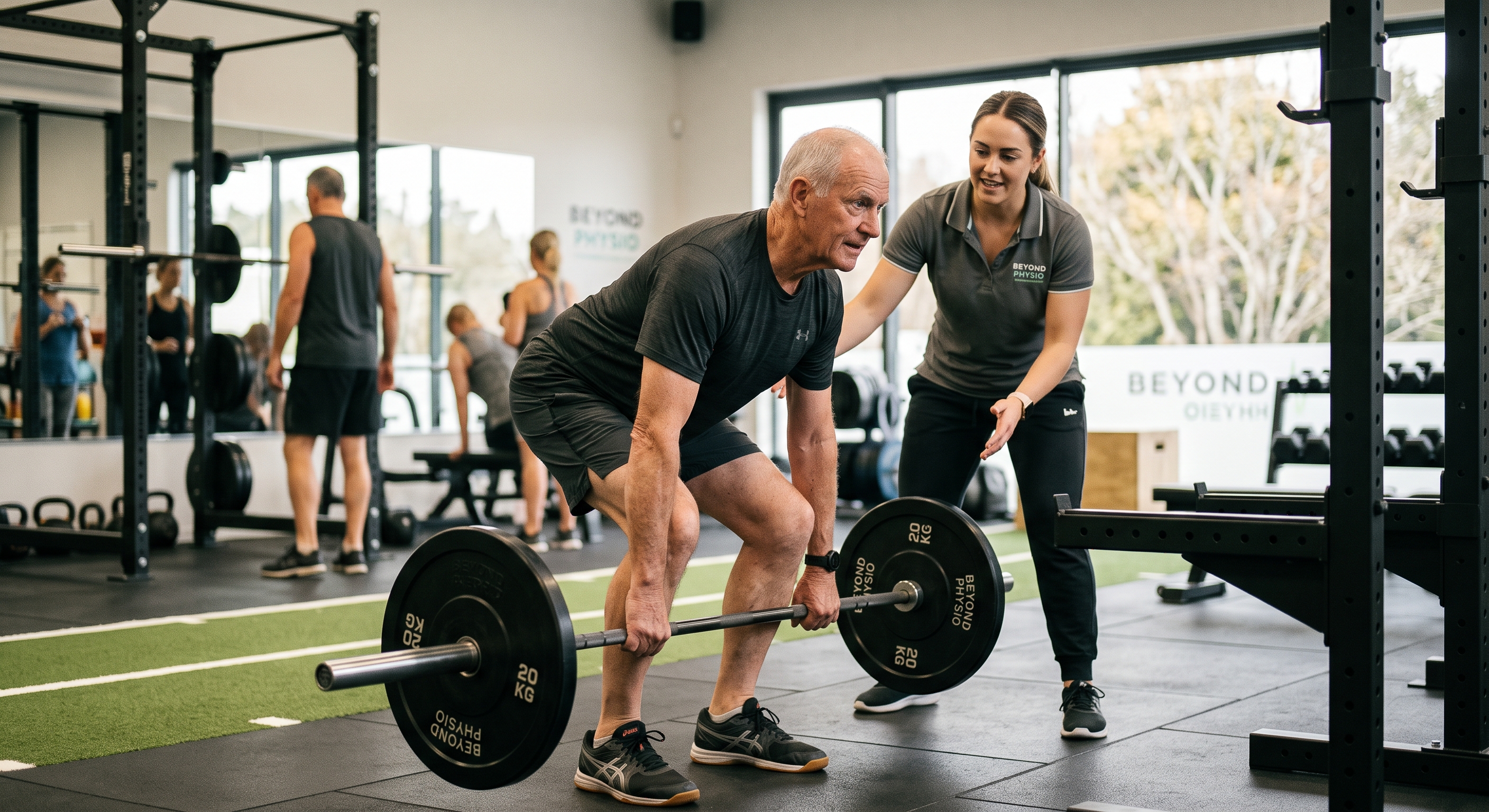
If you're on the tools: Heavy lifting and awkward angles can outpace what your back is ready for, especially on a tired or distracted day. But lifting itself isn't dangerous. Your spine is built to bend and twist and carry load. The goal isn't to protect it like glass; it's to build it up through smart mechanics and steady practice.
When It's Time to See Someone
Most back pain settles down on its own with the right approach. But a few warning signs mean it's time to stop self-managing and get checked out:
- Trouble controlling your bladder or bowels
- Numbness, tingling, or weakness spreading into your legs, buttocks, or groin
- Unexplained weight loss, fever, or chills alongside the pain
- Pain so severe it doesn't ease even lying down at night
If any of that applies to you, get in touch with your GP or a physio straight away. Don't wait it out.
A Simple Playbook for Getting Back on Track
1. Keep moving. Skip the bed rest and stay active, adjusting what you do rather than stopping altogether. Walking, gentle swimming, or an easy bike ride all help, they get blood flowing and keep tissue healthy.
2. Restore movement daily. Once or twice a day, try a gentle back-extension press: lie face down, hands under your shoulders, and press your chest up while your hips stay on the floor. Ten reps is enough to ease stiffness.
3. Load gradually. Bring lifting and bending back in slowly. Start light, move with control, and build up over a few weeks so your tissue has time to adapt.
4. Build a stronger base. Core, hip, and back strength all help you handle daily demands with less strain. Pick something sustainable, Pilates, yoga, basic stability work, whatever you'll actually keep doing.
5. Don't ignore the basics. Aim for 7–8 hours of decent sleep, keep stress in check where you can, and break up long stretches of sitting by standing or shifting position each hour.
Recovery isn't identical for everyone, but staying active is consistently the best thing you can do for your back over the long run.
If your pain has been sticking around, or you'd like a plan tailored to you, book in with our clinic. Let's get you moving with confidence again.
What can we offer that's different?
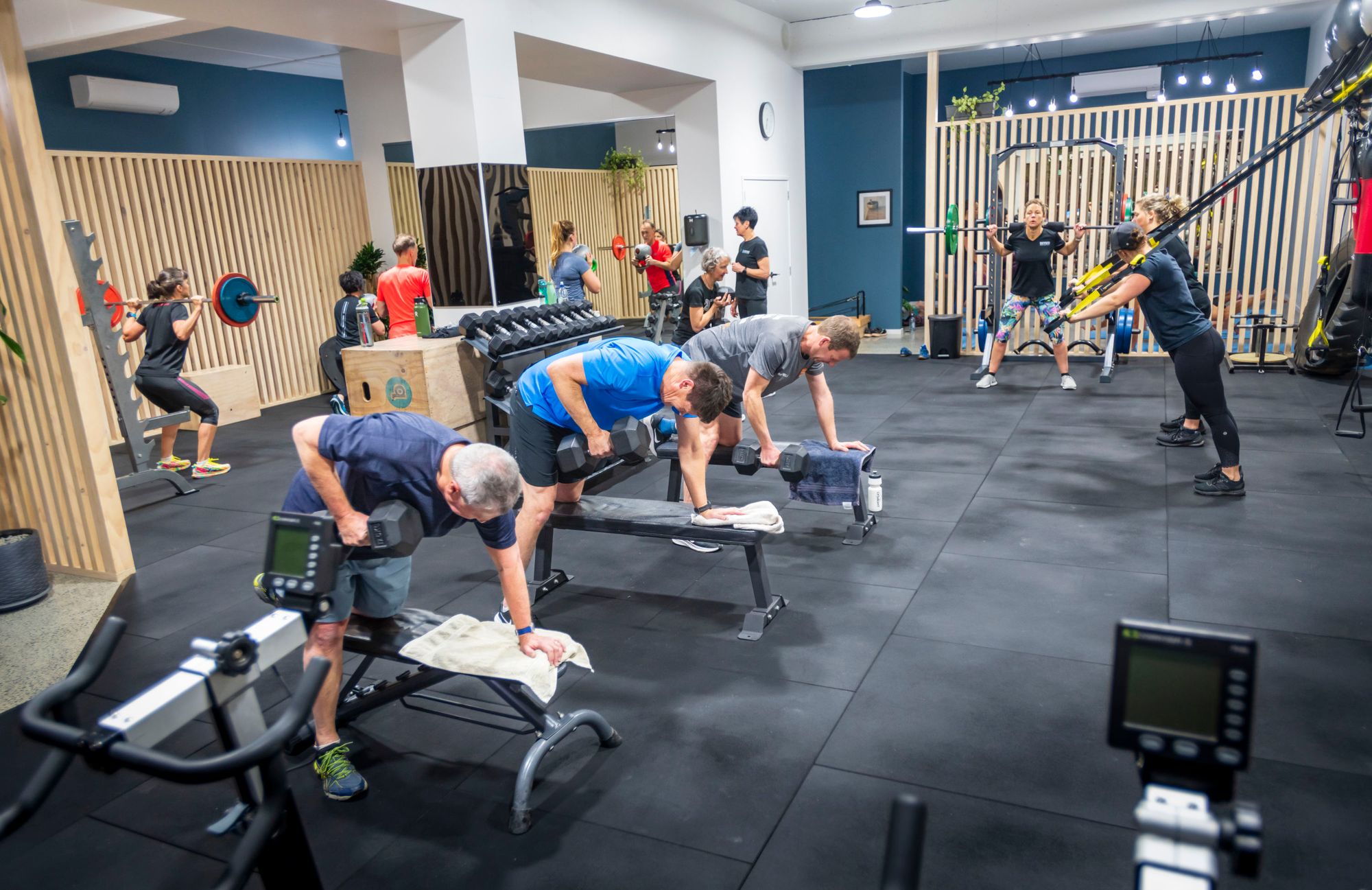
Beyond Physio and Fitness is the first physio clinic in Tauranga to establish itself as a gym and physio clinic in one space (while many have followed our lead) we have been doing this for over 10 years.
We walk you from the treatment room into the gym with a fully guided rehab program. We reverse engineer your rehab plan allowing you to get started with what we call a point of entry where you feel comfortable to exercise and start building that base.
Along the treatment path we weave in hands on treatment, education, advice and practical tips to ensure you have a great outcome.